Kexborough Primary School
  • Welcome
    • TRAIN TO TEACH
    • Contact Us
    • Calendar
    • ECM Trust SharePoint Portal
  • MEET OUR TEAM
    • STAFF
    • GOVERNORS
    • ECM TRUST
  • PARENTS
    • The School Day
    • Attendance
    • Newsletters
    • School Meals >
      • Free School Meals
    • Uniform
    • Wrap Around Care
    • School Calendar
  • SCHOOL INFORMATION
    • ADMISSIONS
    • British Values
    • GDPR INFORMATION
    • Performance Tables
    • POLICIES
    • PE Sports Grant
    • Pupil Premium
    • Remote Learning
    • Early Years Pupil Premium
    • SAFEGUARDING
    • SEND INFORMATION
    • USEFUL LINKS
    • VACANCIES
  • Curriculum
    • Art and design curriculum
    • Design and Technology
    • COMPUTING CURRICULUM
    • ENGLISH CURRICULUM: PHONICS READING
    • ENGLISH : Writing
    • EYFS
    • FRENCH
    • GEOGRAPHY CURRICULUM
    • HISTORY CURRICULUM
    • MATHS CURRICULUM
    • Music
    • PHSE CURRICULUM
    • RE CURRICULUM
    • SCIENCE CURRICULUM
    • PE CURRICULUM
  • Class Blogs
    • Foundation Stage >
      • FS 1 & 2 Blog
    • Year 1 >
      • Year 1 Blog
    • Year 2 >
      • Year 2 Blog
    • Year 3 >
      • Year 3 Blog
    • Year 4 >
      • Year 4 Blog
    • Year 5 >
      • Year 5 Blog
    • Year 6 >
      • Year 6 Blog
  • Mental Health Support
  • Wellbeing Newsletter
  • Welcome
    • TRAIN TO TEACH
    • Contact Us
    • Calendar
    • ECM Trust SharePoint Portal
  • MEET OUR TEAM
    • STAFF
    • GOVERNORS
    • ECM TRUST
  • PARENTS
    • The School Day
    • Attendance
    • Newsletters
    • School Meals >
      • Free School Meals
    • Uniform
    • Wrap Around Care
    • School Calendar
  • SCHOOL INFORMATION
    • ADMISSIONS
    • British Values
    • GDPR INFORMATION
    • Performance Tables
    • POLICIES
    • PE Sports Grant
    • Pupil Premium
    • Remote Learning
    • Early Years Pupil Premium
    • SAFEGUARDING
    • SEND INFORMATION
    • USEFUL LINKS
    • VACANCIES
  • Curriculum
    • Art and design curriculum
    • Design and Technology
    • COMPUTING CURRICULUM
    • ENGLISH CURRICULUM: PHONICS READING
    • ENGLISH : Writing
    • EYFS
    • FRENCH
    • GEOGRAPHY CURRICULUM
    • HISTORY CURRICULUM
    • MATHS CURRICULUM
    • Music
    • PHSE CURRICULUM
    • RE CURRICULUM
    • SCIENCE CURRICULUM
    • PE CURRICULUM
  • Class Blogs
    • Foundation Stage >
      • FS 1 & 2 Blog
    • Year 1 >
      • Year 1 Blog
    • Year 2 >
      • Year 2 Blog
    • Year 3 >
      • Year 3 Blog
    • Year 4 >
      • Year 4 Blog
    • Year 5 >
      • Year 5 Blog
    • Year 6 >
      • Year 6 Blog
  • Mental Health Support
  • Wellbeing Newsletter

Our Kensuke’s Kingdom Adventure!

18/11/2025

 
Picture
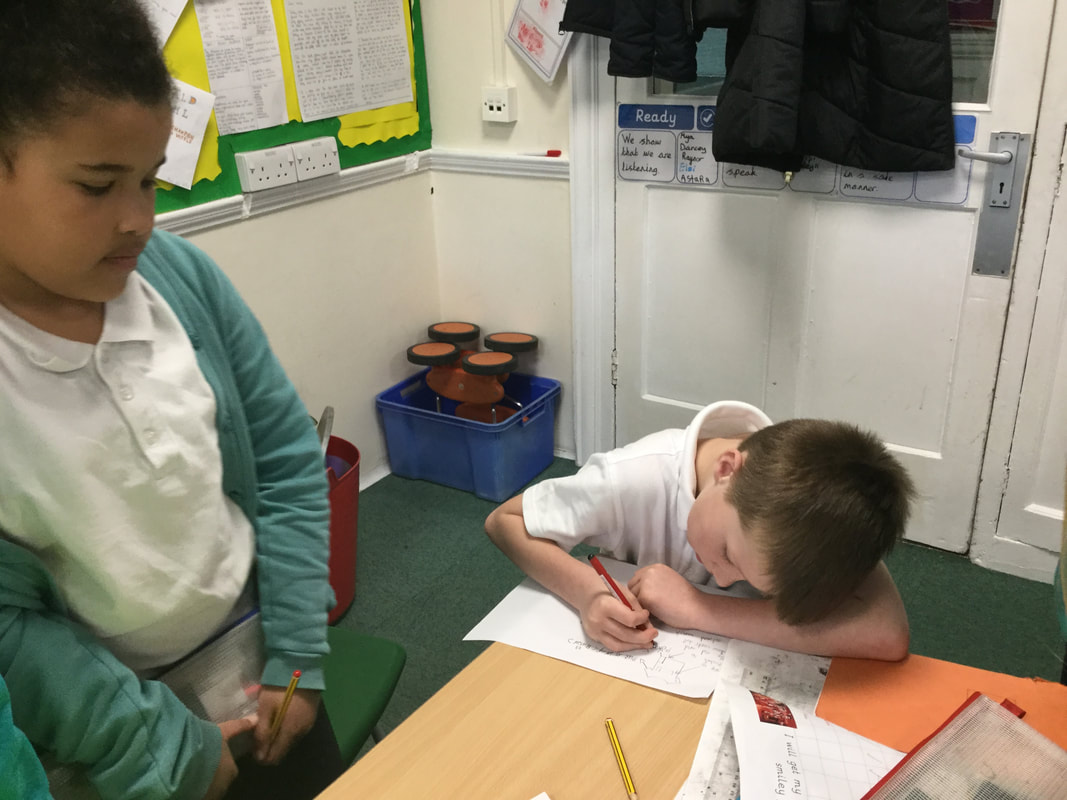
Since returning to school after half term, Year 5 have been diving into our new class text, Kensuke’s Kingdom. We’ve read up to the part where Michael finds himself stranded on a mysterious desert island after falling off his boat (The Peggy Sue). He’s even been receiving food and water — but he still has no idea who is leaving it for him!
This week, we wrote our own diary entries pretending to be Michael, describing the island, our thoughts and our feelings as if we were really there. We practiced using lots of description, emotion, and our imaginations.

Next week, we’ll be creating our very own Survival Guides, explaining how to stay safe, find food and manage life on a desert island — just like Michael. Year 5 have really enjoyed the story so far and we’ll continue to make links with other exciting texts throughout the year. We can’t wait to see where our reading journey takes us next!


Understanding Tax: A Visit from HMRC

16/11/2025

 
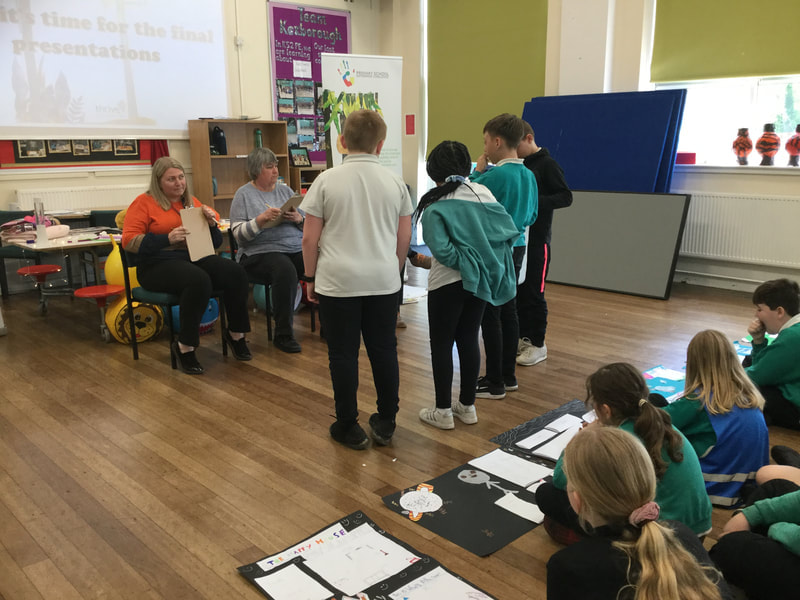
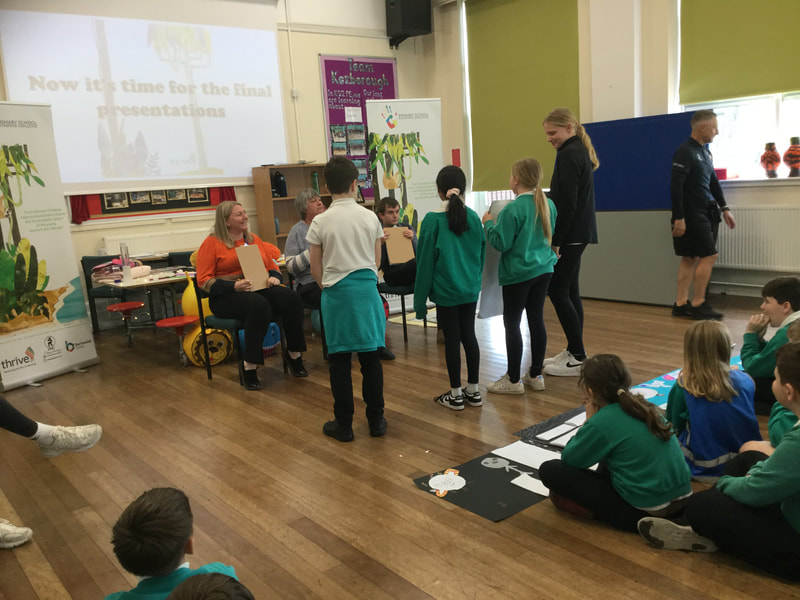
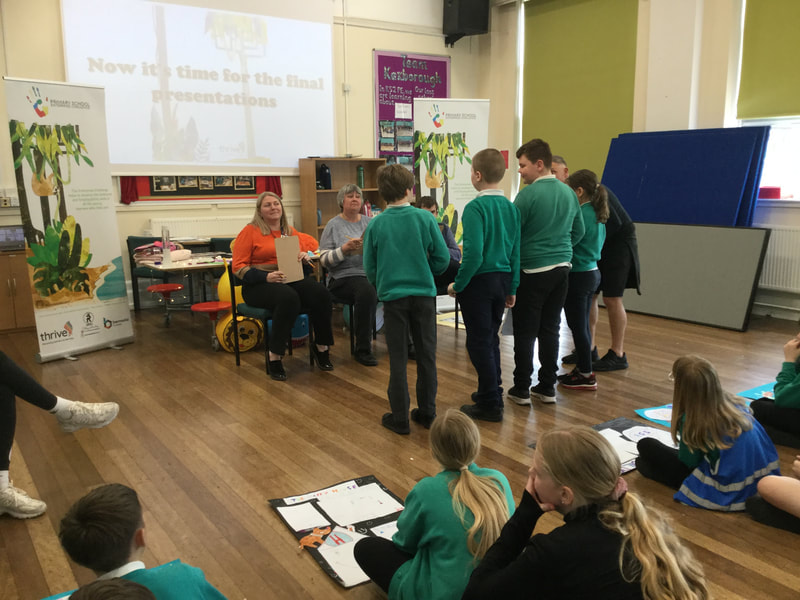
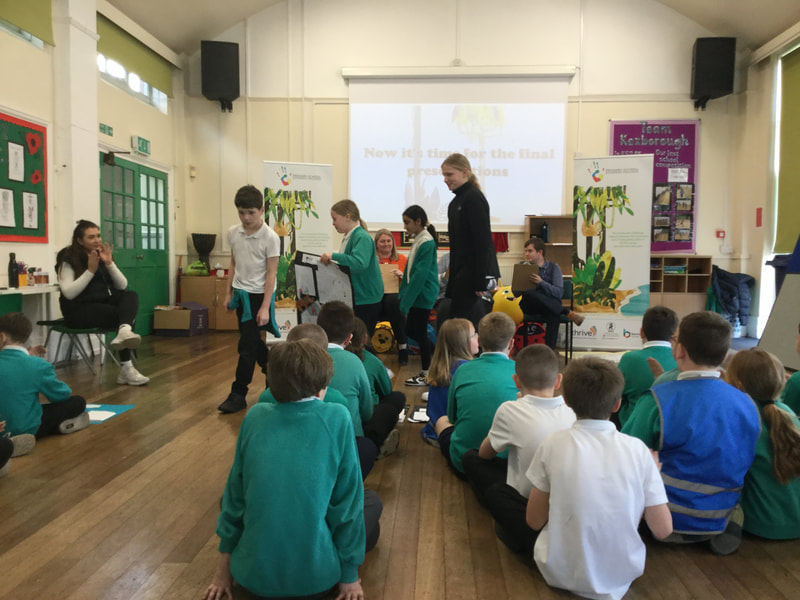
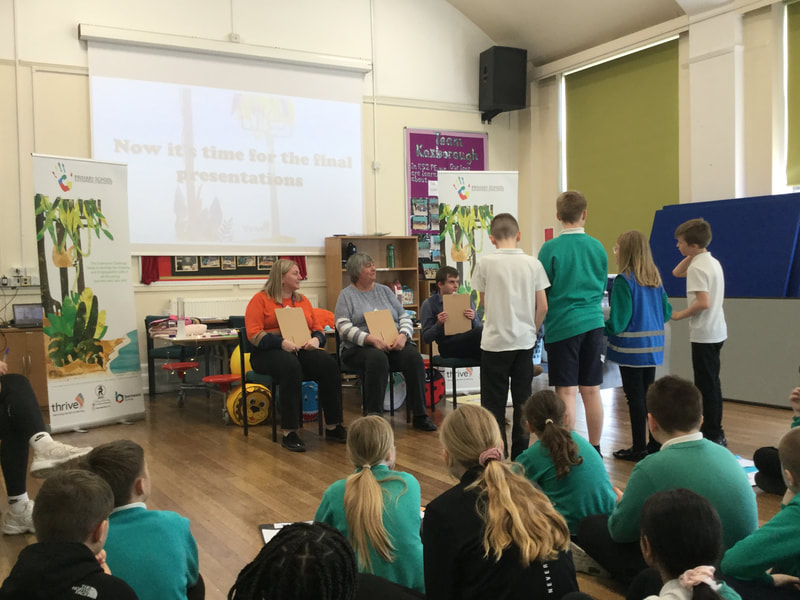
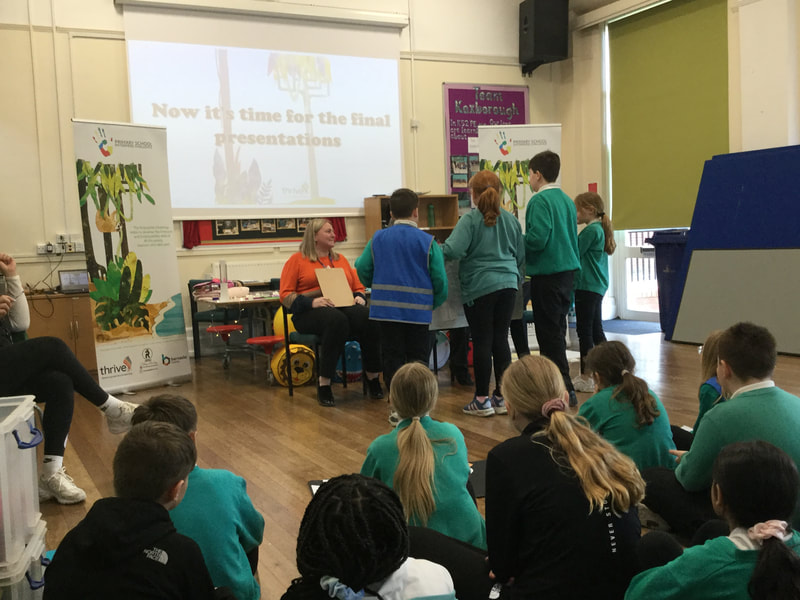
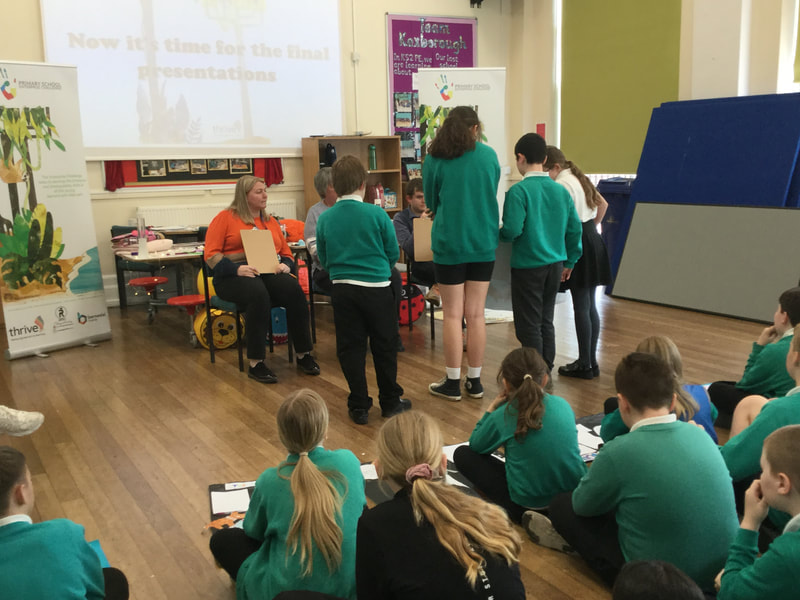
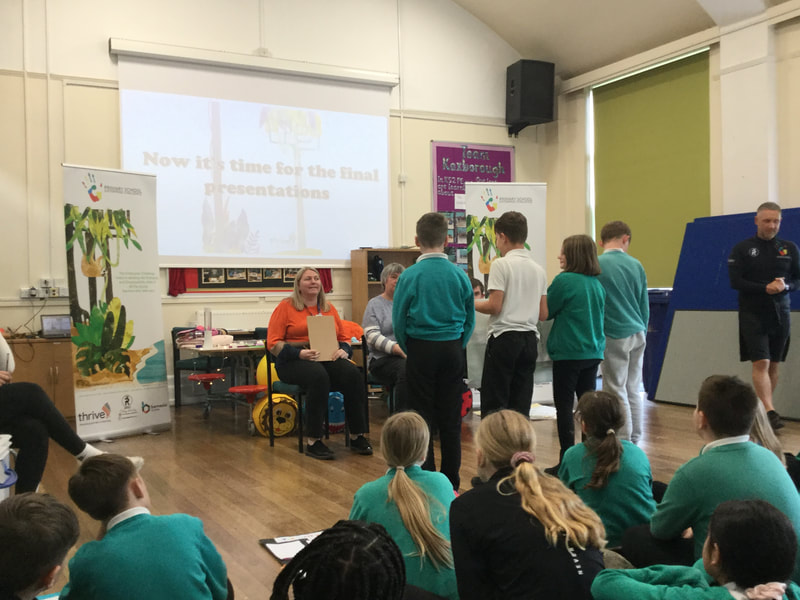
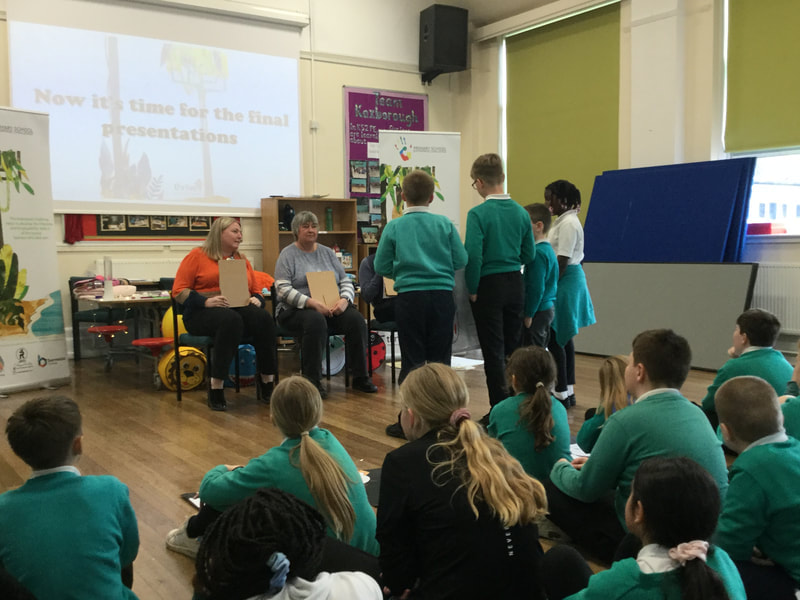
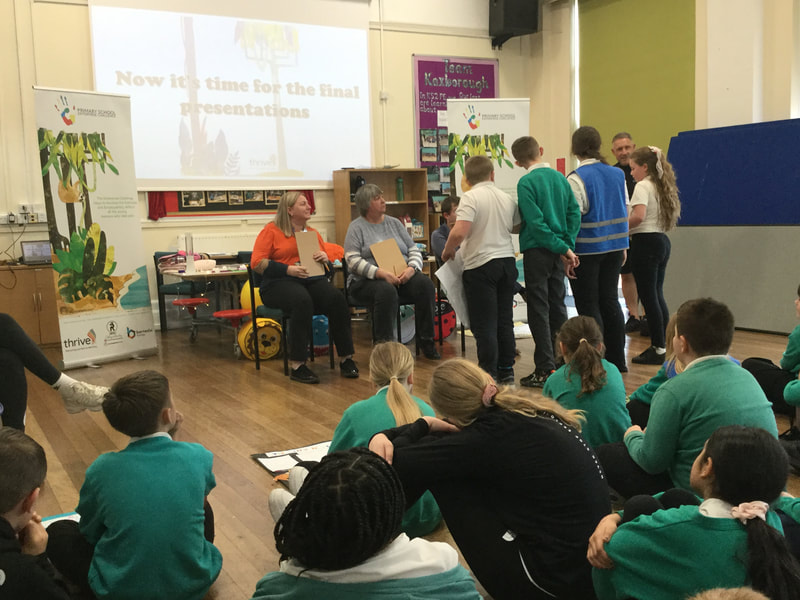
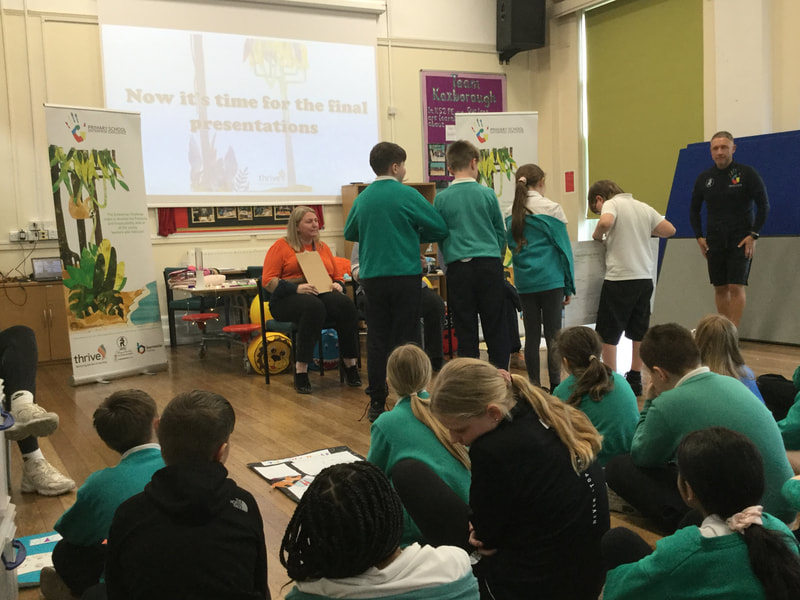
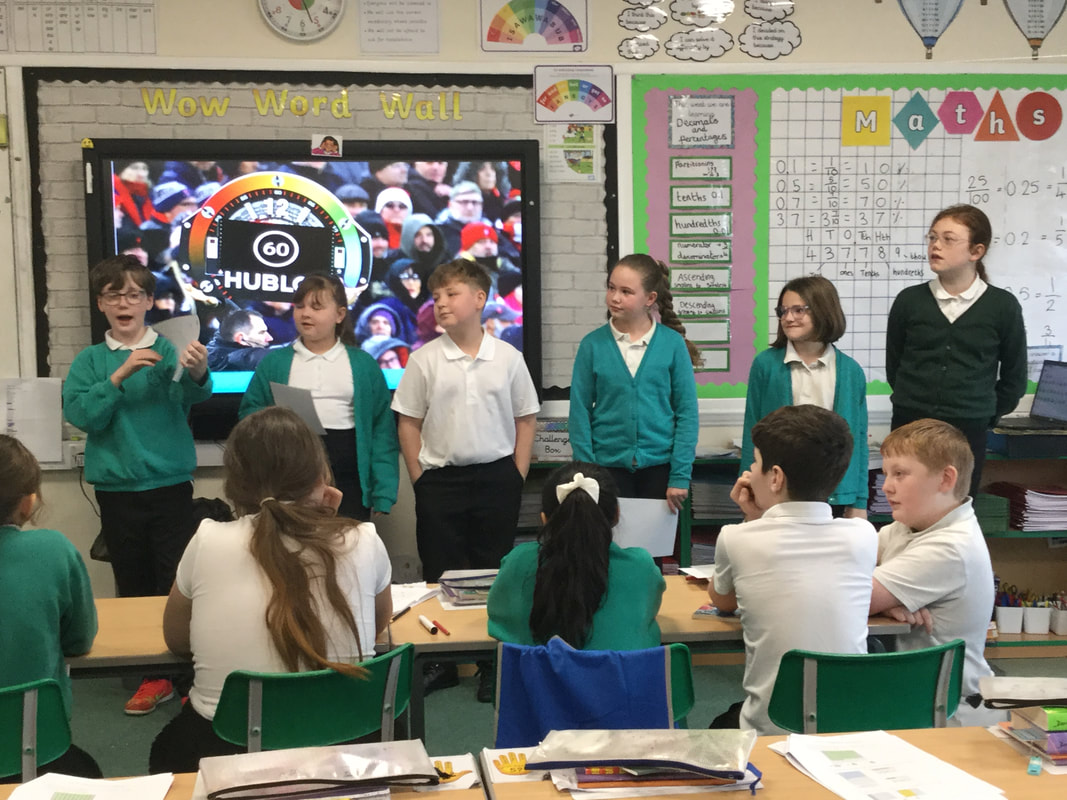
Year 5 and Year 6 had a fascinating visit this week from two members of staff from HMRC, who taught us all about tax — what it is, why we pay it  and how the money is used to support our country.
We began by looking at the incredible amount of tax collected each year: £600 billion, which looks like this: £600,000,000,000. The children were amazed to see just how big that number really is!
We then explored the question: “Is it fair to pay tax?” After some thoughtful discussion, all of the children agreed that it is. We learned that tax is added to certain products, such as sweets and chocolate, because of the sugar tax. Interestingly, cakes are not taxed in the same way because, historically, they were considered part of the staple diet. This helped us answer the age-old debate: Is a Jaffa Cake a cake or a biscuit? Since no tax is added, we discovered that Jaffa Cakes are officially classed as cakes!
The children were surprised to learn just how many important services are funded through the taxes people pay, including education, healthcare, emergency services, the armed forces, libraries, museums, road maintenance, refuse collection and more.
Next, we were challenged to become “Chancellor for the Day.” The children had to come up with a brand-new tax they would introduce. Their ideas were impressive and very thoughtful, including:
  • a tax on bus and train companies if they do not provide seatbelts
  • an increased tax on cigarettes and vapes
  • a tax on littering
  • a tax on excessive use of YouTube and Xbox
  • a tax on chewing gum
Our following activity was to prioritise the top six areas where collected tax should be spent: healthcare, museums, protecting the countryside, police, the armed forces, and education. This sparked excellent discussions as the class considered which services should receive the most funding and why.
The final challenge asked the children to decide what level of tax is fair. Suggestions ranged from 50% to 75%, but once we explored how much money that would leave for personal spending, the children began to rethink their choices!
All in all, it was a wonderfully informative session that gave the children an early insight into tax, public services, and how our country is funded. A huge thank-you to the HMRC team for such an engaging and thought-provoking workshop!

Separating Mixtures

14/11/2025

 
Separating Mixtures in Year 5 Science 🧪
This week in Science, Year 5 explored a new topic: separating mixtures. The children were given a range of different mixtures and a selection of resources, and their challenge was to work out how to separate each one successfully.

We learned about how various filters can help with this process — from everyday items like colanders and sieves to more precise tools such as filter paper. The class spent time testing out which method worked best for each mixture and discussing why certain tools were more effective than others.
It was a very practical (and wonderfully messy!) lesson. A few separation experiments went a little wrong at first, but with our growing understanding of soluble and insoluble materials, dissolving, and evaporation, the children were able to explain and demonstrate how most mixtures could eventually be separated.
​
The combination of hands-on investigation and scientific reasoning made for an exciting and memorable lesson — and Year 5 are already looking forward to the next challenge!

Weaving

14/11/2025

 
This half term, Year 5 have begun developing their weaving skills, and the children have made an excellent start. Before creating their final weaving masterpiece, the class is practising on their own cardboard looms — which they have carefully strung themselves.

As part of this work, the children have been learning important vocabulary linked to weaving. They now know the terms loom, weave, warp, weft and shuttle, and they will be putting all of these into action as they continue to build confidence and control with their weaving techniques.

It has been wonderful to see how quickly the children have taken to this new skill, showing great concentration and creativity as they experiment with patterns and techniques. This practice will prepare them well for producing a more sophisticated woven piece later in the year.
​

Parents and carers may recognise these current practice pieces when they are brought home (in a very different format) at the end of the year.

National Numeracy Week

5/11/2025

 
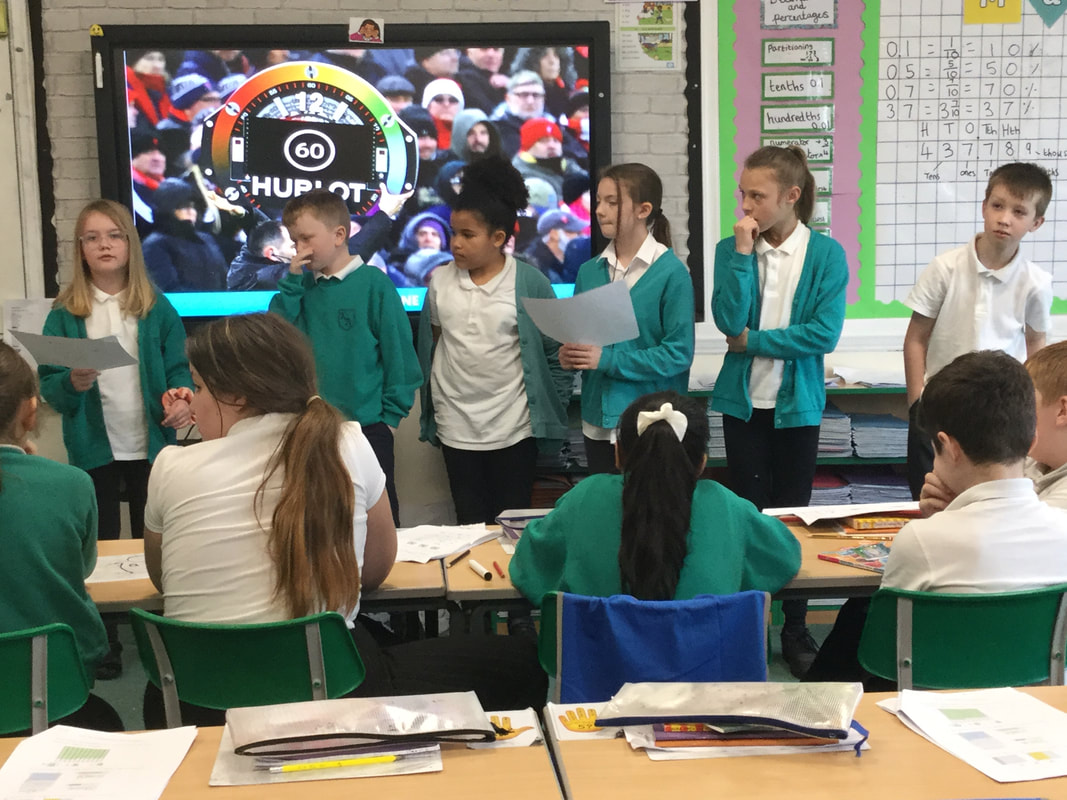
Today, we took part in an exciting live assembly as part of Number Confidence Week (3rd–7th November), organised by National Numeracy. The special event, called “The Wheel of Numbers”, was hosted by BAFTA award-winning presenter Maddie Moate, along with financial content creator Rotimi Merriman-Johnson (Mr MoneyJar) and Barclays UK CEO Vim Maru.

Broadcast live from a school, the assembly was full of energy and fun as children across the country joined in spinning the Wheel of Numbers to uncover props and take on everyday maths challenges linked to sport, shopping, hobbies, jobs and home life.

We loved seeing how numbers are part of everything we do and felt inspired to grow their confidence with maths. It was a fantastic way to celebrate how maths matters in the real world — and to remind everyone that we can all be number confident! Our homework this week is to design a poster for National Numeracy Week this could involve showcasing how we use numbers in everyday life — from shopping and cooking to sports, time and money — or creating a fun slogan or design that encourages others to feel confident and excited about maths!

Beowulf Freeze Frames

4/11/2025

 
Today, we learned how we can make deductions about the historical source – The story of Beowulf. We learnt how this story tells us about the Anglo-Saxons beliefs and the importance of heroes and warriors in their society.

The story of Beowulf:
Beowulf is the story of a brave hero named Beowulf who fights three fierce monsters. First, he helps a king by defeating a giant creature called Grendel, who has been attacking the king's hall. After that, Beowulf faces Grendel's mother, who is angry about her son's death, and he defeats her too. Many years later, when Beowulf is older and becomes a king himself, he fights a dangerous dragon to protect his people. Beowulf kills the dragon, but he is badly hurt in the fight and dies, leaving behind a legacy of bravery and honour.

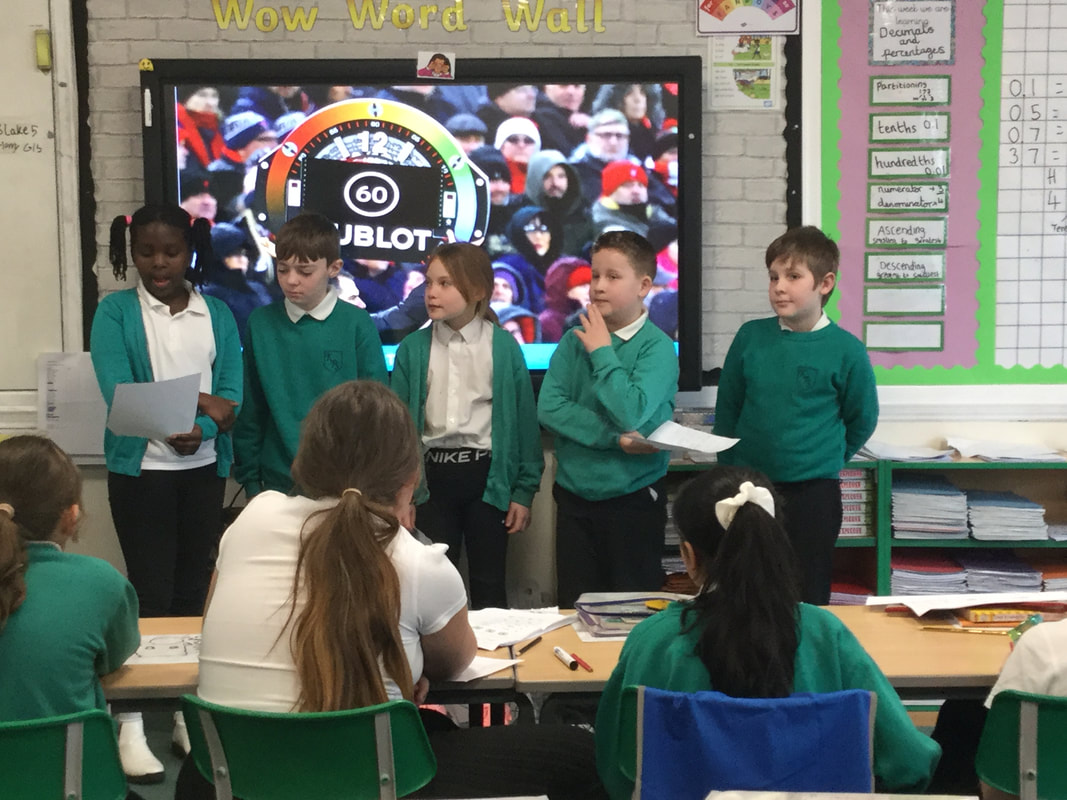
Once we had listened to the story and examined the importance of the story, we created freeze frames as a group. One of our groups members narrated the freeze frame whilst the others in our group acted it out; we had lots of fun and a few laughs too!

We turned into Archaeologists!

21/10/2025

 
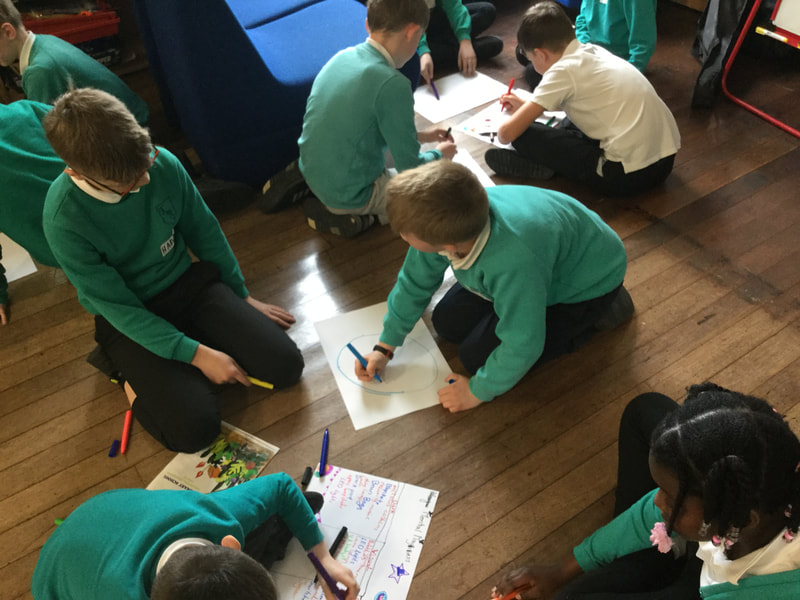
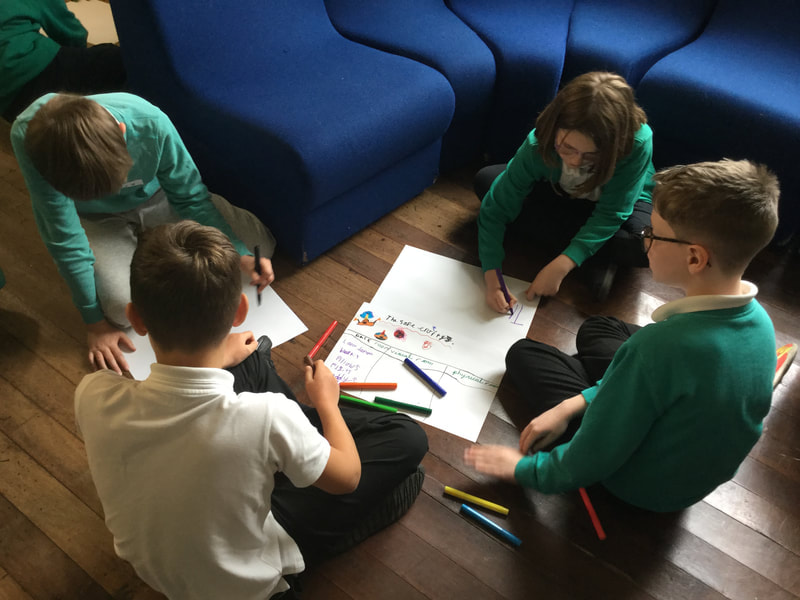
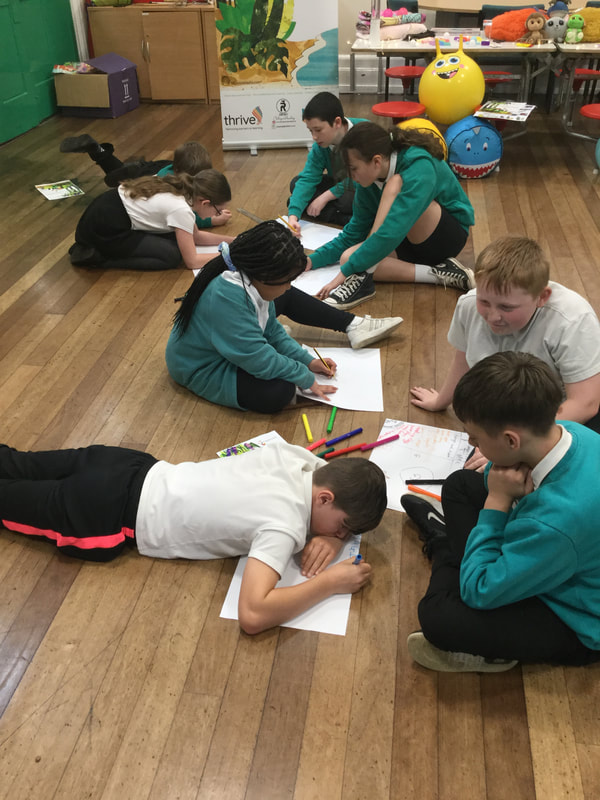
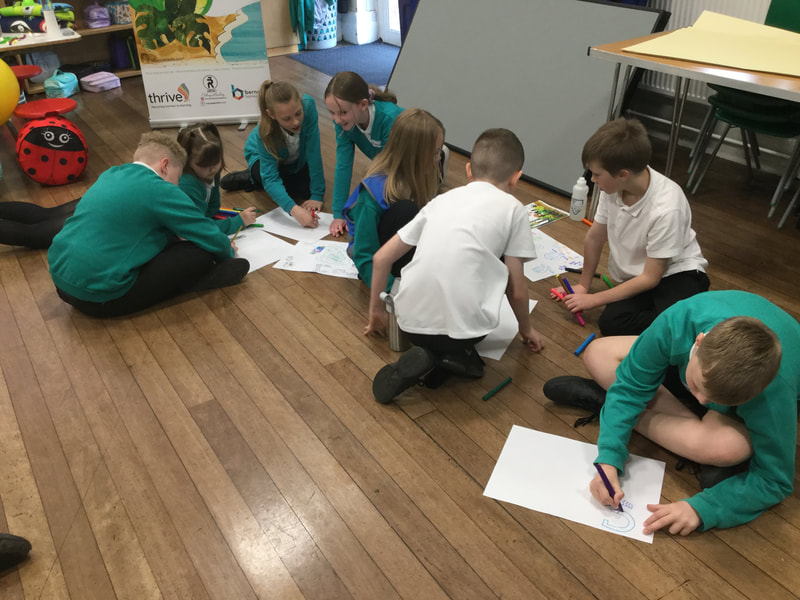
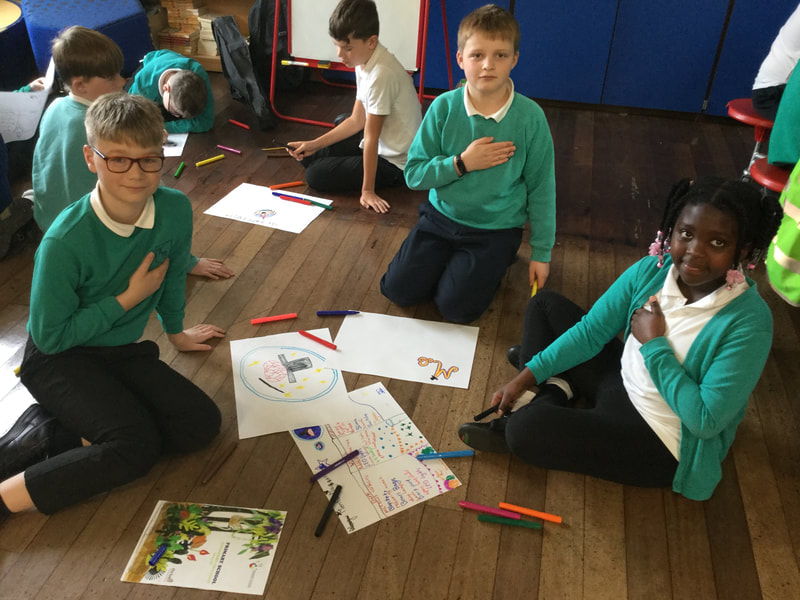
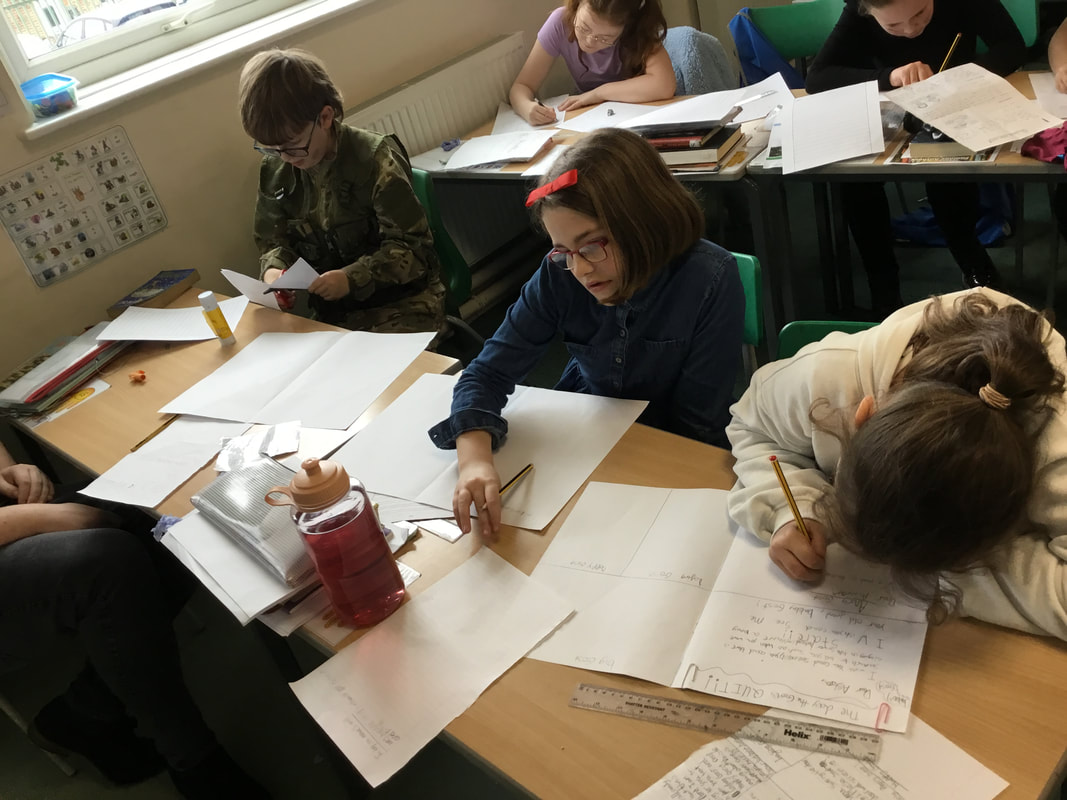
Today, we turned into archaeologists! We looked at different primary and secondary sources from the Anglo Saxon times. In groups, we recorded our ideas and thoughts on large sheets of paper. We thought carefully about whether the artefact was a primary or secondary source and what questions it raises about the Anglo Saxons.

We then used our ideas we collected last week in order to draw conclusions as a whole class about Anglo Saxons, their settlements and their daily lives.

Year 5 Science: Investigating Dissolving

16/10/2025

 
This week in Year 5, we explored the fascinating topic of dissolving in our science lessons. The children were introduced to some key scientific vocabulary — soluble, insoluble, solution, and dissolving — and had the opportunity to see these ideas in action through hands-on investigation.
We began by discussing what it means for a material to dissolve in a liquid. The class learned that when something dissolves, it doesn’t disappear. We also talked about how dissolving is different from melting: while melting happens when something changes from a solid to a liquid because of heat, dissolving involves a solid mixing evenly into a liquid to form a solution.
The children then planned and carried out a fair test to find out which materials could dissolve in water. They carefully considered the variables in their experiment — identifying which one they would change (the material being tested) and which they would keep the same (the amount of water, the temperature, and the time spent stirring) to make sure their results were accurate and fair.
We also discussed the importance of working safely in science. The children made sure to handle all materials with care, follow instructions closely, and clean up any spills straight away. This helped ensure that everyone could take part safely and that the experiment was carried out accurately.
By the end of the lesson, the classroom was full of excitement and curiosity as we compared our findings and talked about what we had discovered. To finish, we asked the children to explain what the words soluble, insoluble, solution, and dissolving mean — helping to check their understanding and reinforce their new scientific vocabulary.

Murton Park

7/10/2025

 
Today, we went on an exciting school trip to experience life as a Viking settler! From the moment we set off, the excitement began — we listened to music that we had requested for the journey, which made the trip there even more enjoyable.
Once we arrived, we stepped back in time to the era of the Vikings. Throughout the day, we had the chance to become raiders, traders, crafters, sailors, farmers and settlers. We learned what it was really like to live during this fascinating period and even discovered how Vikings had to defend their land as brave warriors when raiders attacked!
One of the highlights of the day was making our own bread using a quern stone, which showed us just how important farming was in Viking life. We also entertained ourselves by playing a traditional Viking board game called Trick, Trap, Troll — why not have a go at making this simple but fun game at home?

In the pottery shed, we tried our hand at crafting oil lamps, just like the Vikings would have used to light their homes.

We all had a fantastic day and thoroughly enjoyed living as Viking settlers. It was a brilliant hands-on experience that brought our history learning to life!

Explanation Writing – Creating Our Own Creatures

29/9/2025

 
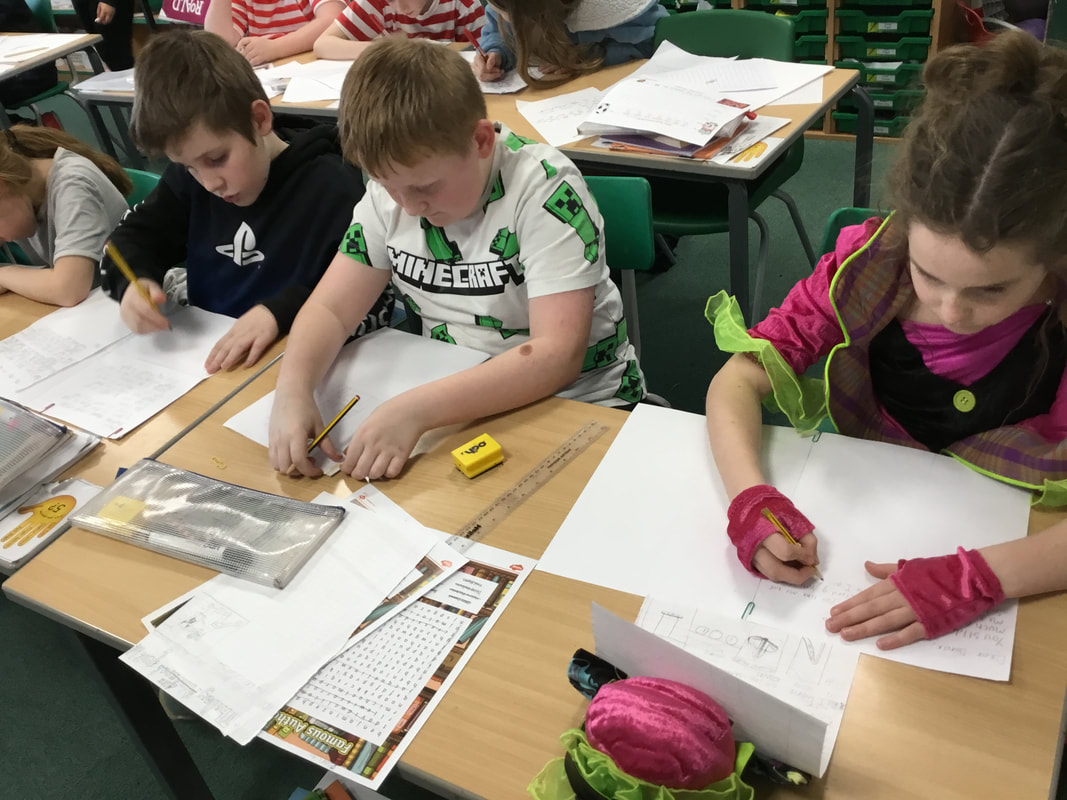
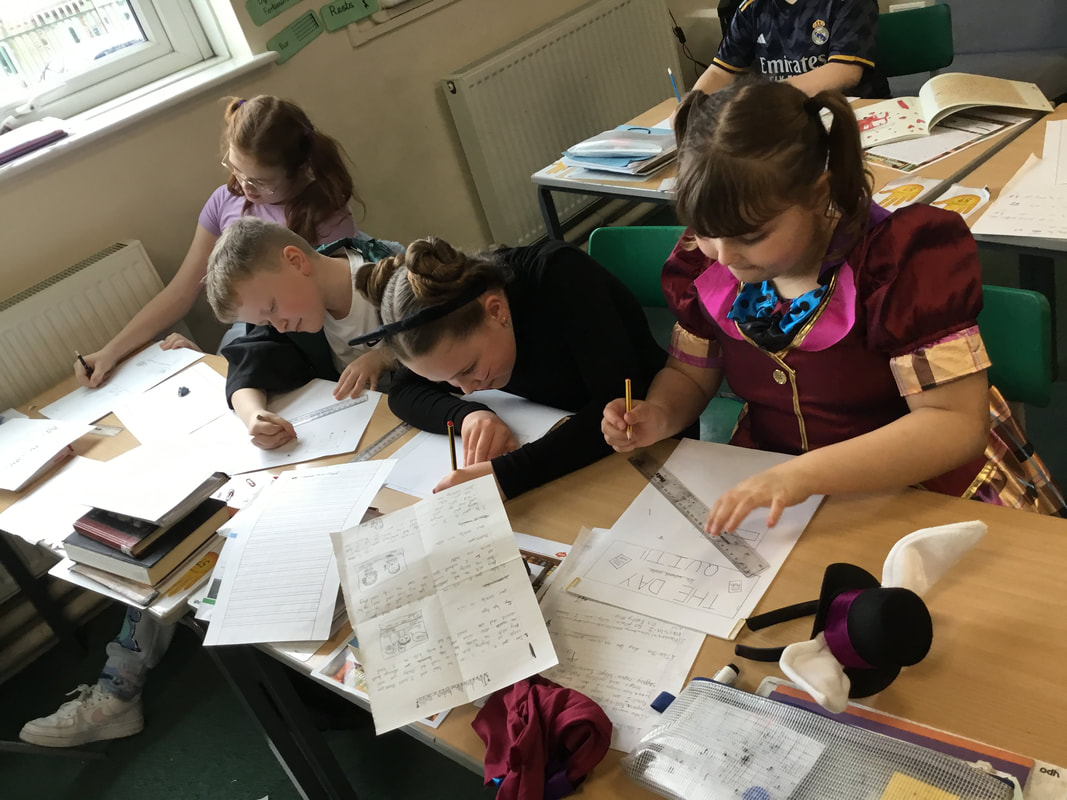
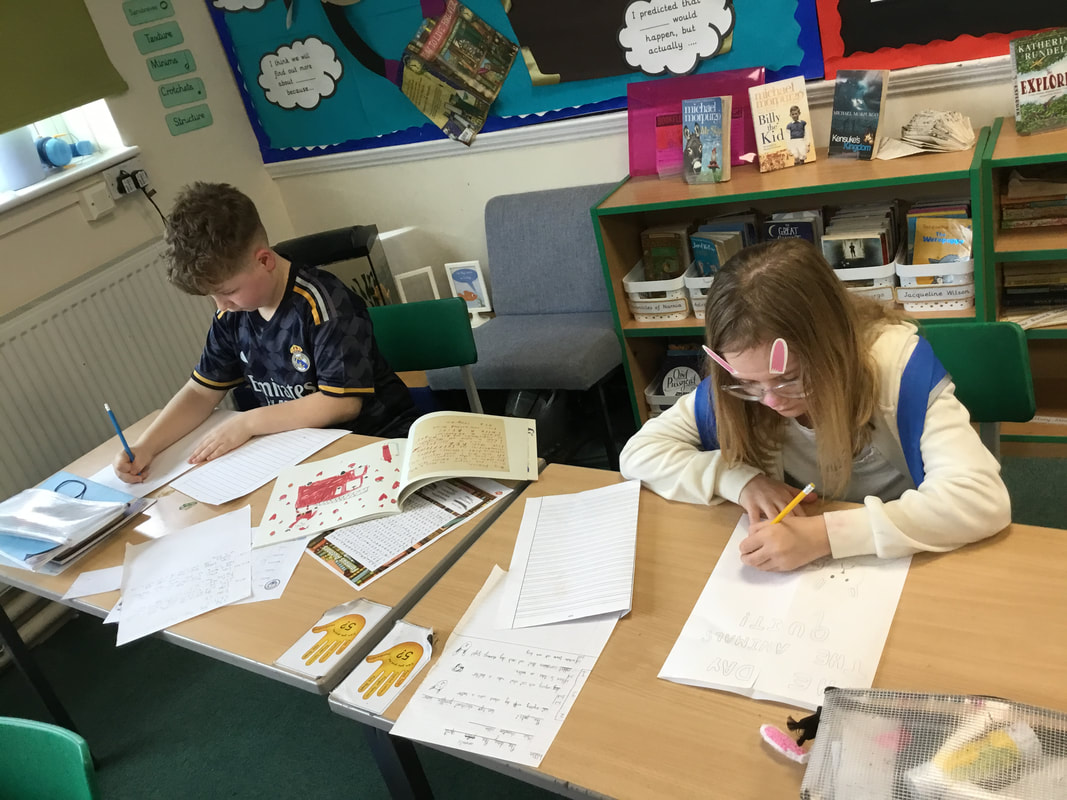
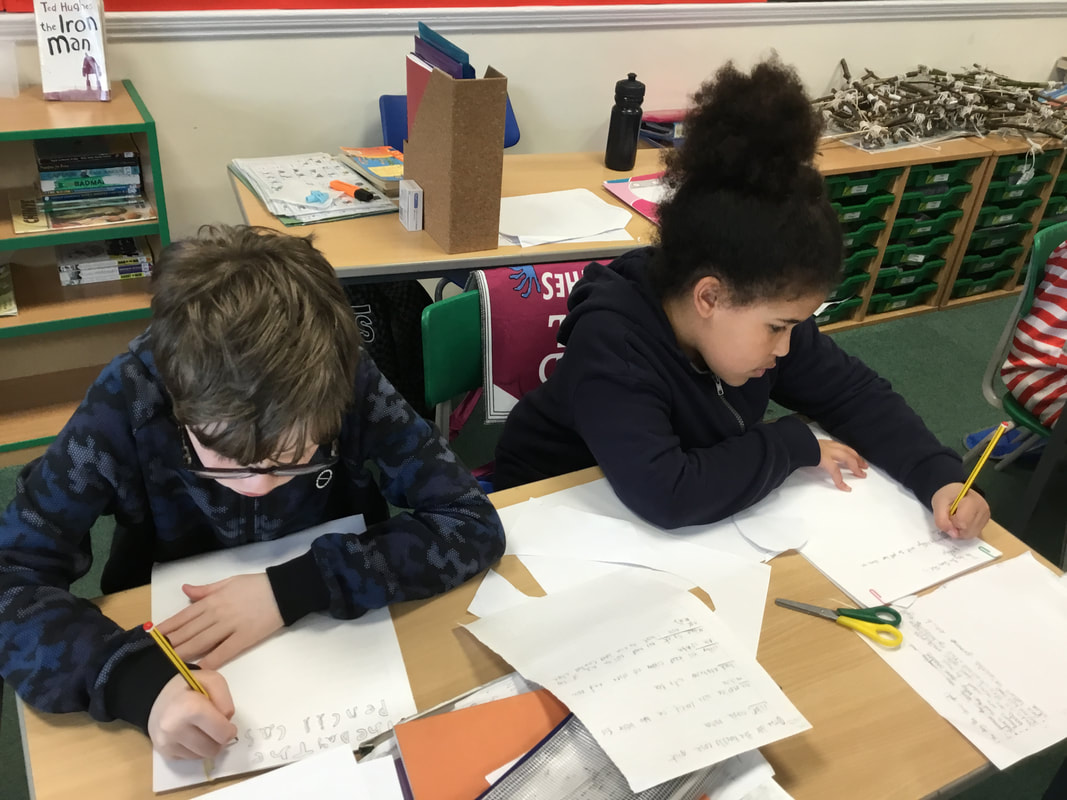
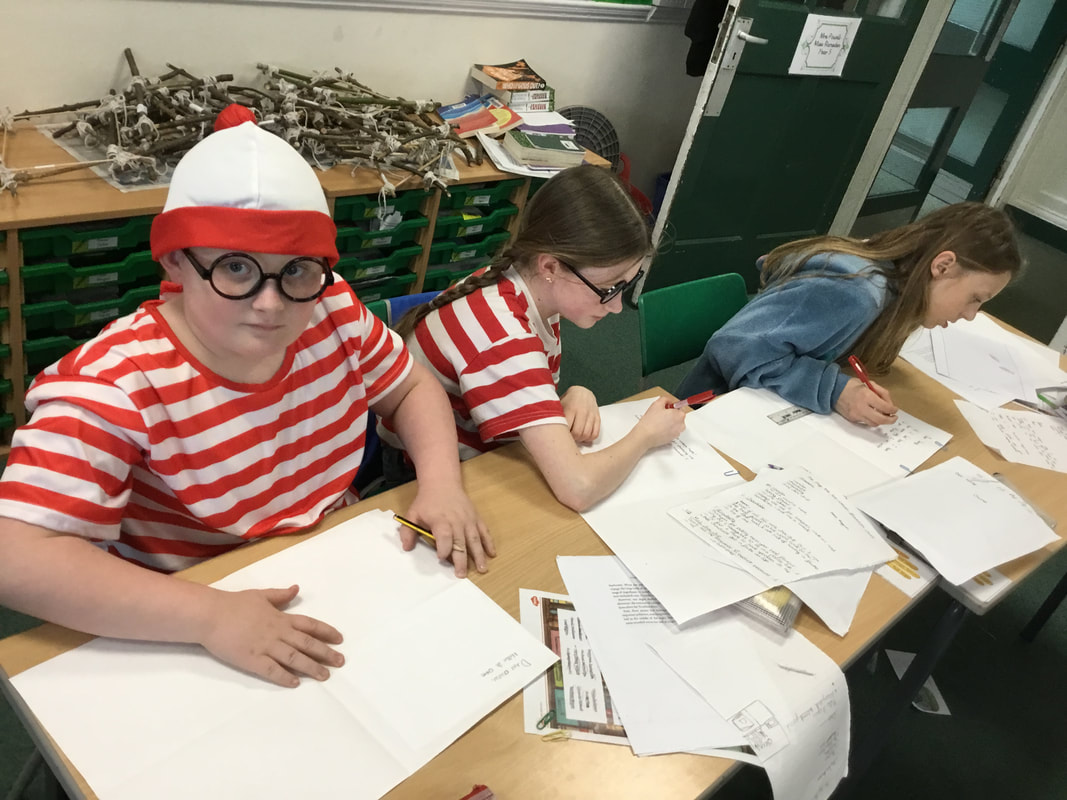
Over the past two weeks, Year 5 have been working hard on writing explanation texts. We began by reading Danny the Champion of the World and exploring how Roald Dahl explained the clever plan for how to catch a pheasant. Using this as our model, we wrote our own explanation texts, learning how to use clear structure, technical vocabulary and conjunctions to explain ideas step by step.
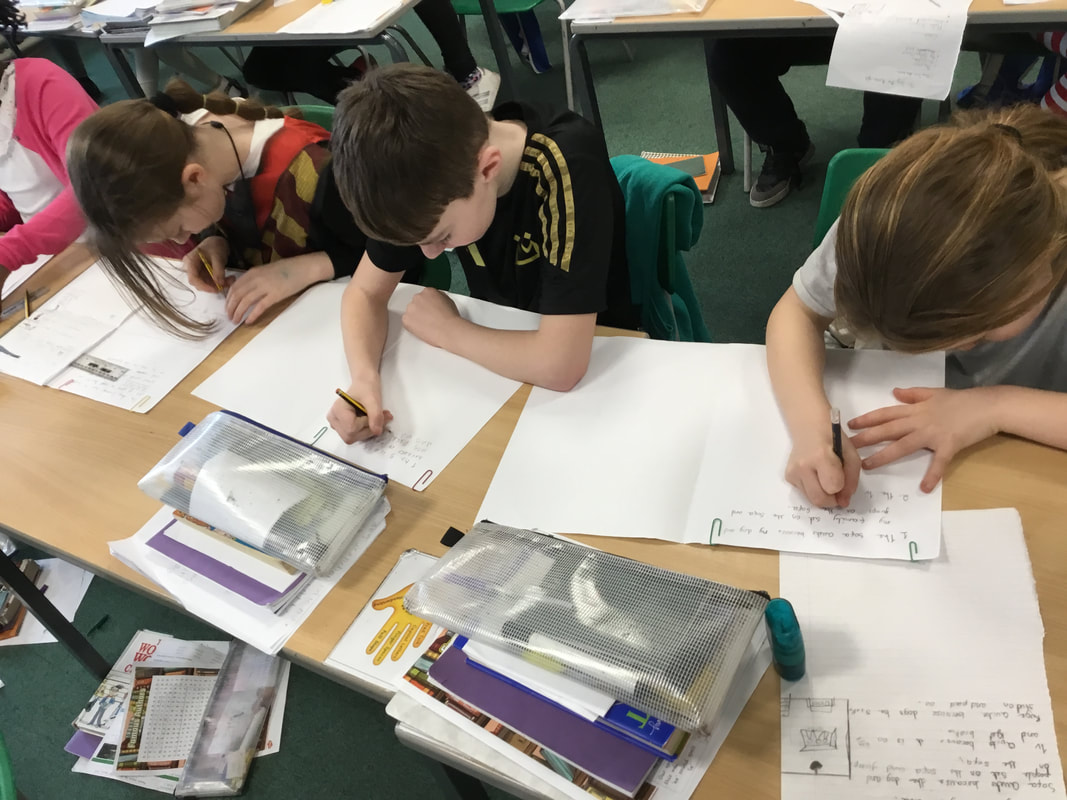
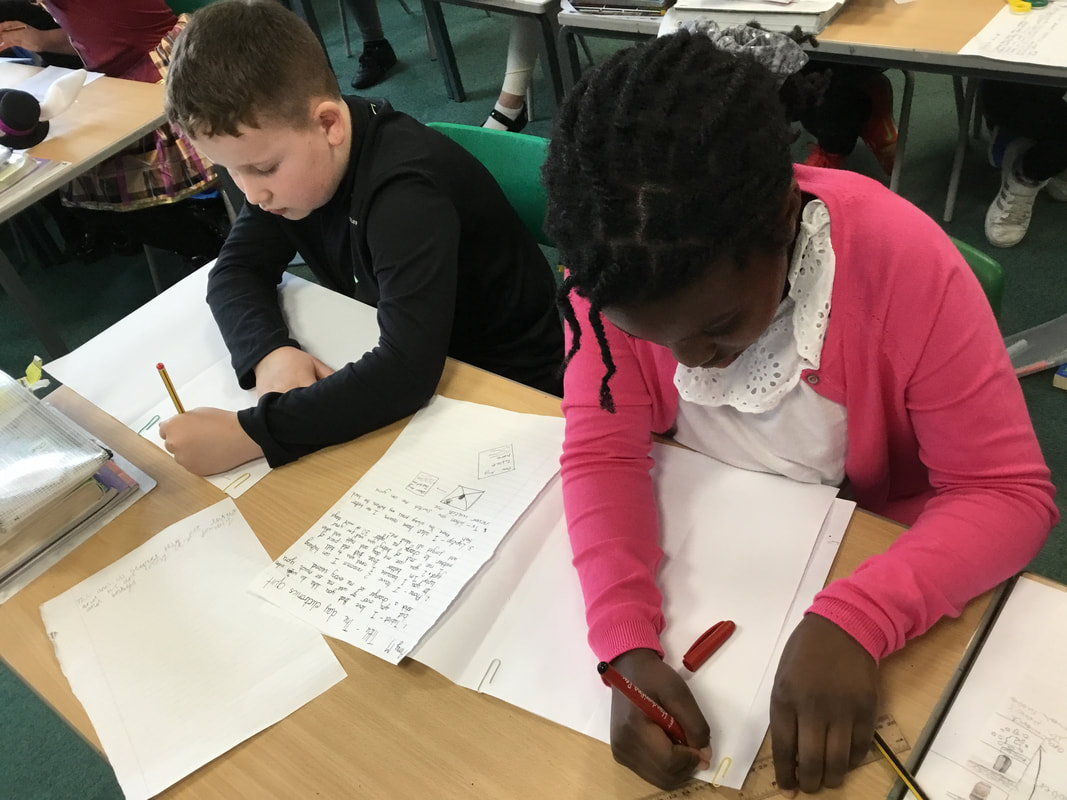
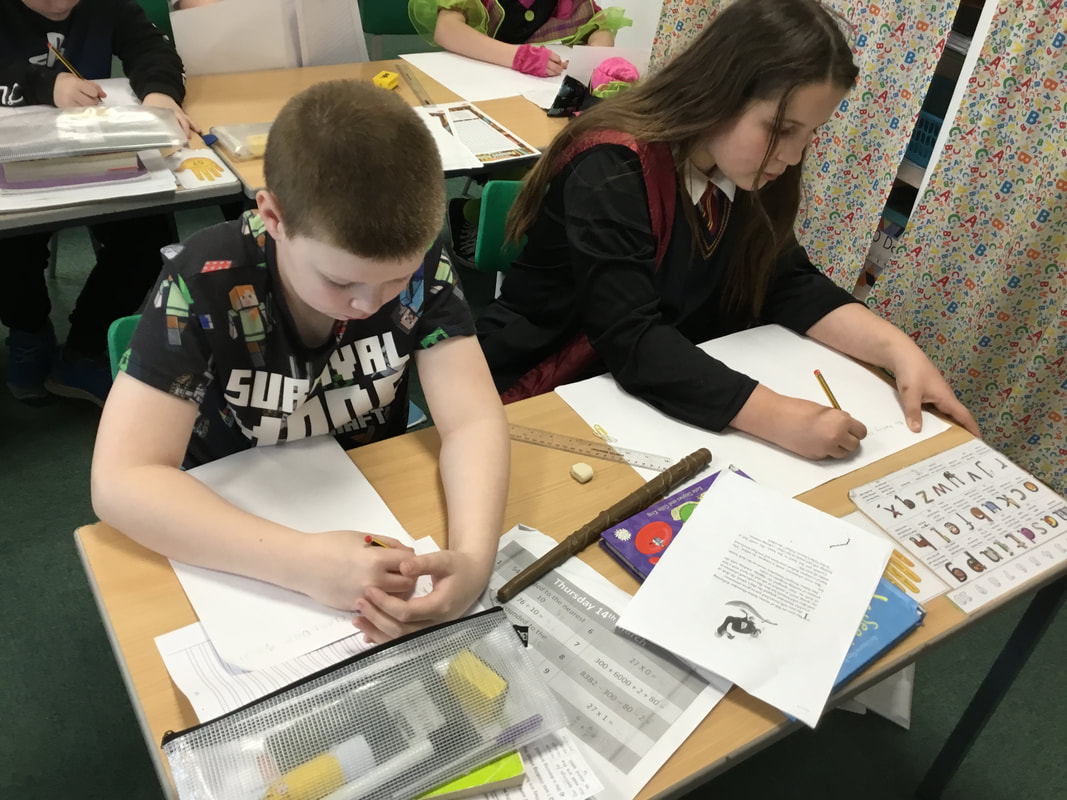
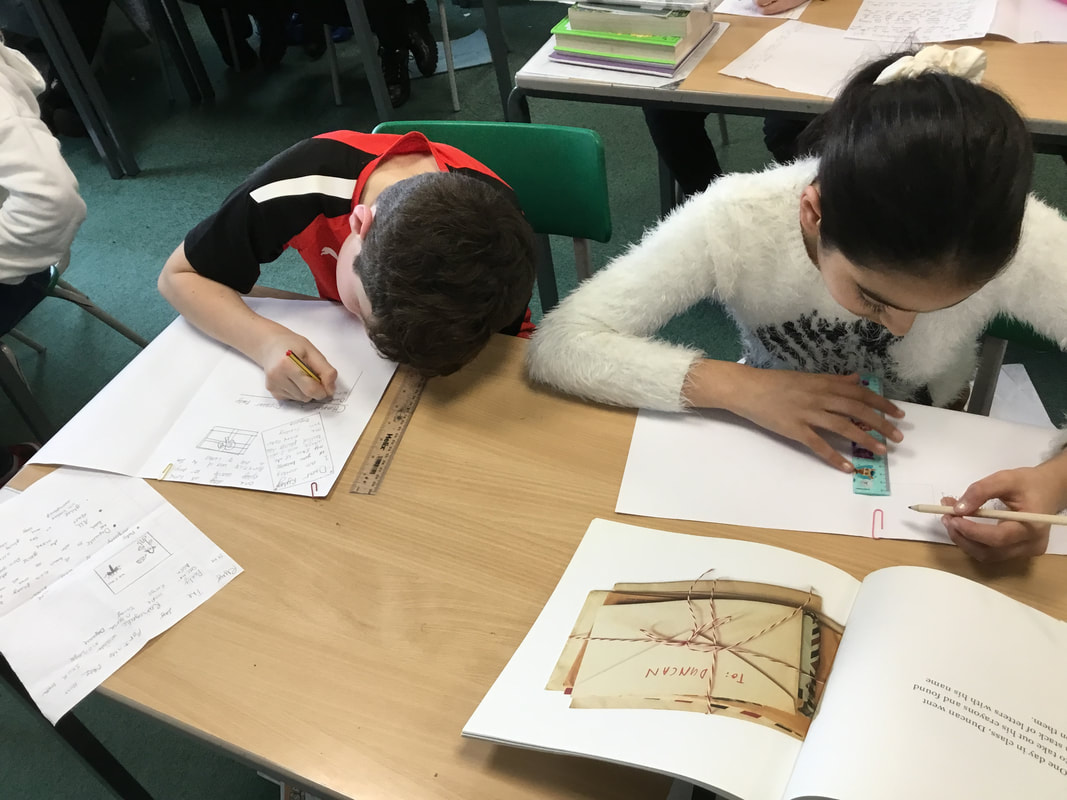
For our independent writing, we were challenged to apply everything we had learned to a brand-new context – this time using fictional creatures. We each chose a magical creature – a Whispering Dragon, a Shadow Fox or a Golden Toad – and wrote a detailed explanation text about them.
We were blown away by the creativity, imagination and brilliant explanations in everyone’s writing. From describing how a Whispering Dragon uses its powers, to explaining the secret habits of a Shadow Fox, the children combined factual explanation style with imaginative ideas perfectly.
Take a look at some of our finished pieces below – we’re so proud of the fantastic work Year 5 have produced!
<<Previous

    Author

    Write something about yourself. No need to be fancy, just an overview.

    Archives

    November 2025
    October 2025
    September 2025
    July 2025
    June 2025
    May 2025
    April 2025
    March 2025
    February 2025
    January 2025
    December 2024
    November 2024
    October 2024
    September 2024
    July 2024
    June 2024
    May 2024
    April 2024
    March 2024
    February 2024
    January 2024
    December 2023
    November 2023
    October 2023
    September 2023
    July 2023
    June 2023
    May 2023
    March 2023
    January 2023
    December 2022
    November 2022
    October 2022
    September 2022
    June 2022
    April 2022

    Categories

    All

    RSS Feed

Picture
Picture
Picture
Proudly powered by Weebly